I am very fortunate to live on the North Downs in Surrey, England where we have within our neighbourhood woodlands and a small pocket of chalk grassland. I only recently discovered the significance of chalk grassland through a community group formed in the Dome Hill neighbourhood of Caterham. All the property owners clubbed together to buy a stretch of grassland to avoid it being bought by developers and it turns out that this is a fairly unique parcel of chalk grassland which we are now preserving.

Why are Chalk Grasslands so special?
Chalk grasslands develop on shallow lime-rich soils, overlaying chalk rocks. Most of England was once covered by woodlands, but the Downs (in the south-east of England) were cleared by ancient people to graze animals, mainly sheep. This created an open landscape with few trees and shrubs, and species-rich grassland. It is one of the richest plant communities where up to 50 species of plant can be found in a square metre. The UK has about half of the world’s chalk grasslands. A wide variety of insects and wildlife can also be found here – some of the plants and animals are totally dependent on chalk grassland and cannot survive anywhere else. For further information visit the Old Surrey Downs web site.
I spent a couple of hours in a small section of our little parcel of grassland on Saturday 9 June 2012 with my camera and here are some of the results:-


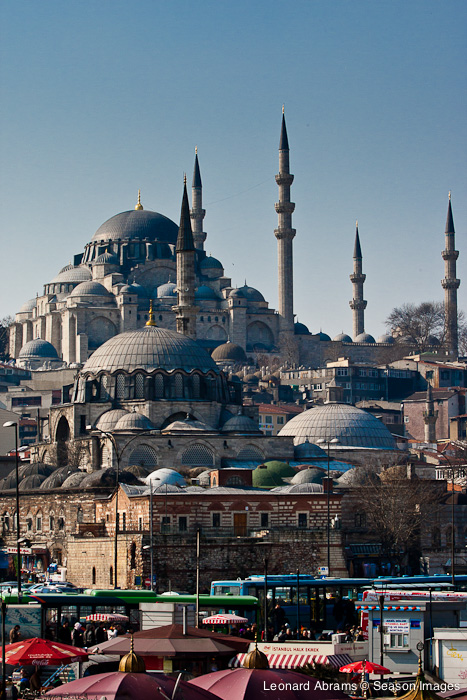
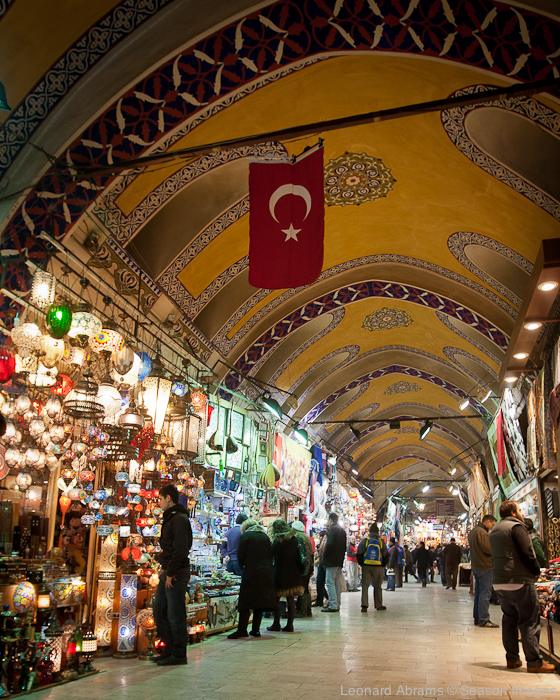 You thought the Shopping Mall is a modern concept – think again!! The Grand Bazaar in Istanbul is one of the largest and oldest covered markets in the world, with more than 58 covered streets and over 4,000 shops which attract between 250,000 and half a million visitors daily. The grand bazaar began construction in 1455 and opened in 1461. It is well known for its jewellery, pottery, spice, and carpet shops. Many of the stalls in the bazaar are grouped by the type of goods, with special areas for leather coats, gold jewellery and the like.
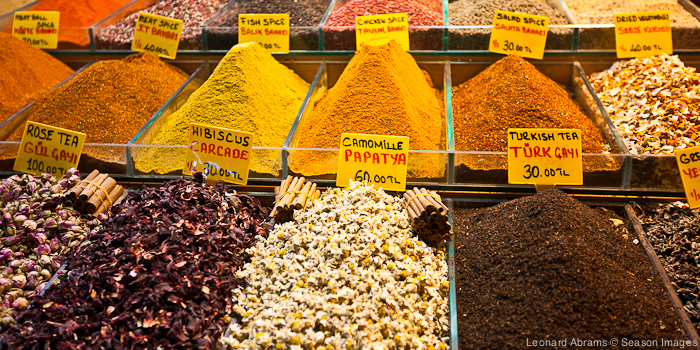 The Spice Bazaar is one of the oldest bazaars in the city and is the second largest covered shopping complex after the Grand Bazaar. The bazaar was (and still is) the center for spice trade in Istanbul. The structure was completed in 1660 and is an “L”-shaped building, consisting of 88 vaulted rooms. The streets surrounding the market are also occupied by hundreds of small shops selling almost anything.